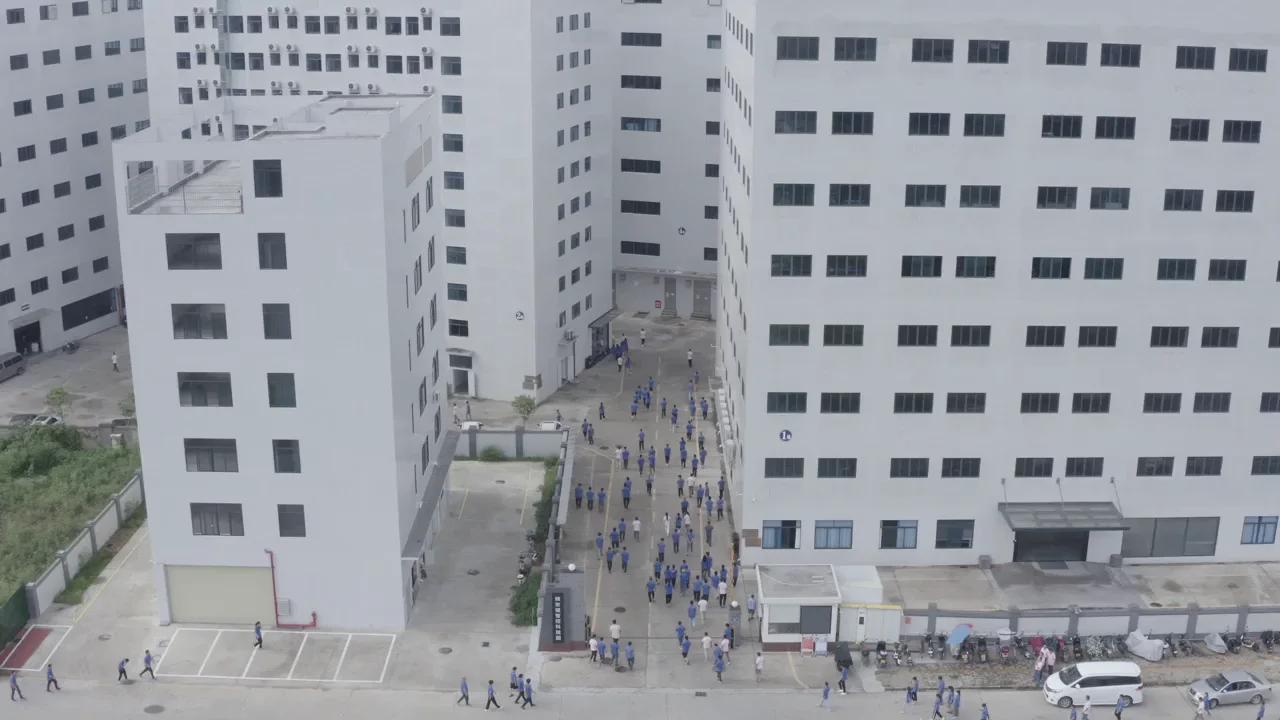
Jinghongjian factory in Conghua, Guangzhou

Precision in metal.Purpose in every detail.

Equipment enclosures, cabinets and structural parts.

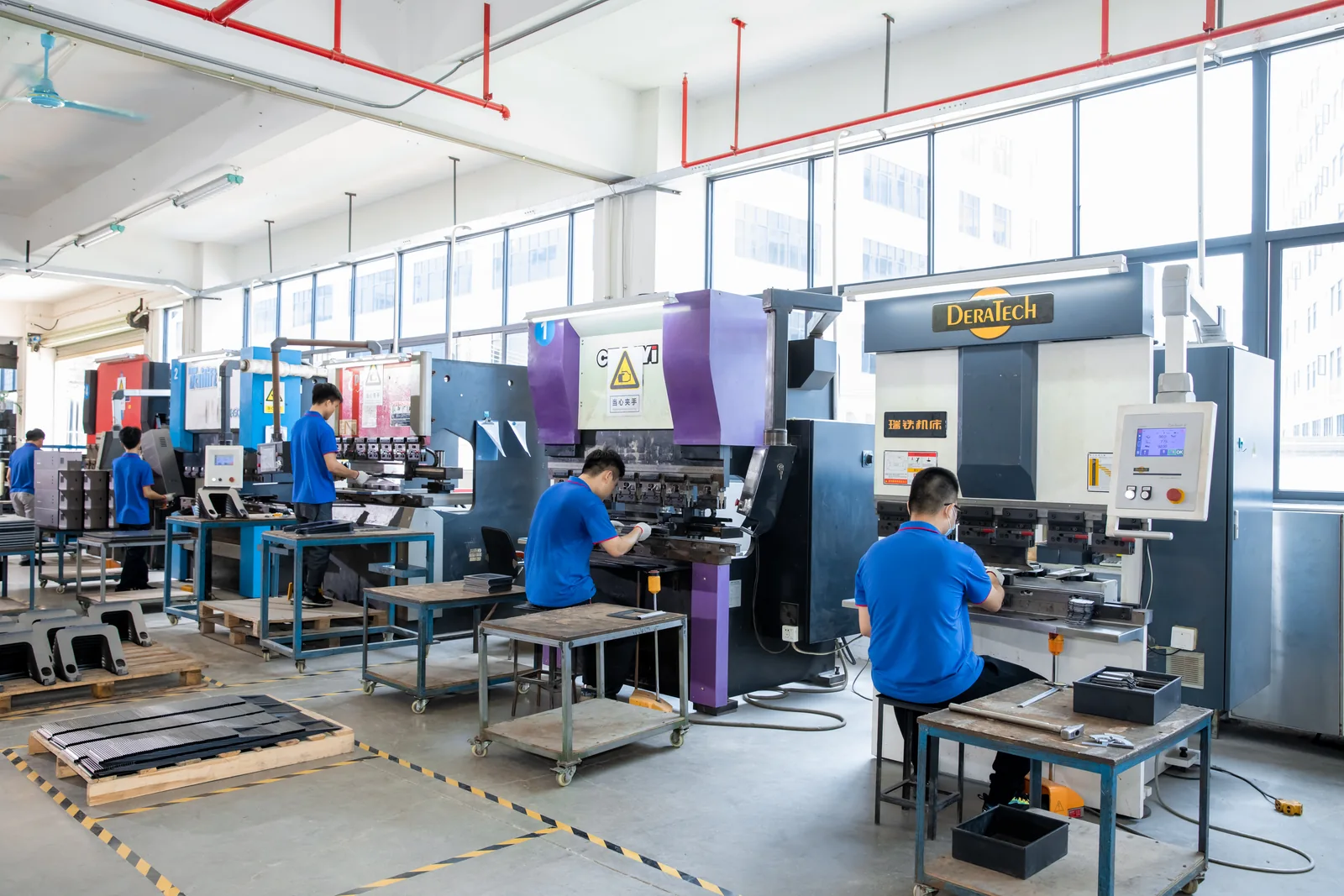
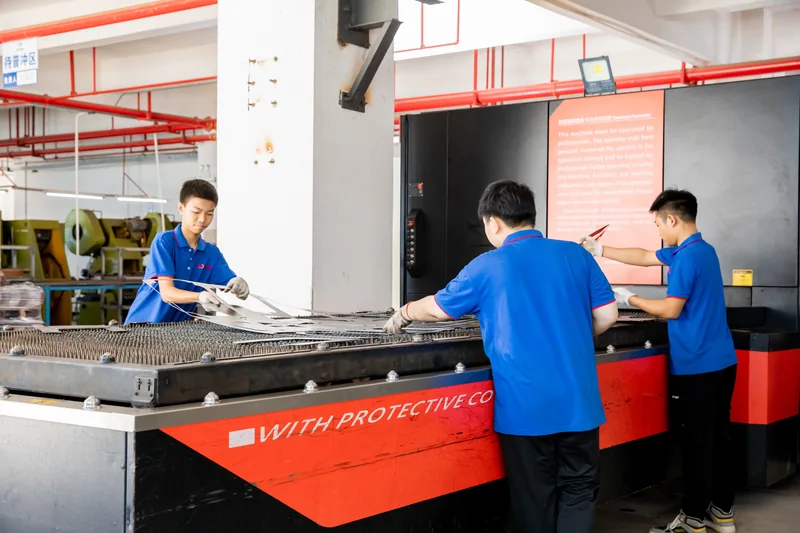
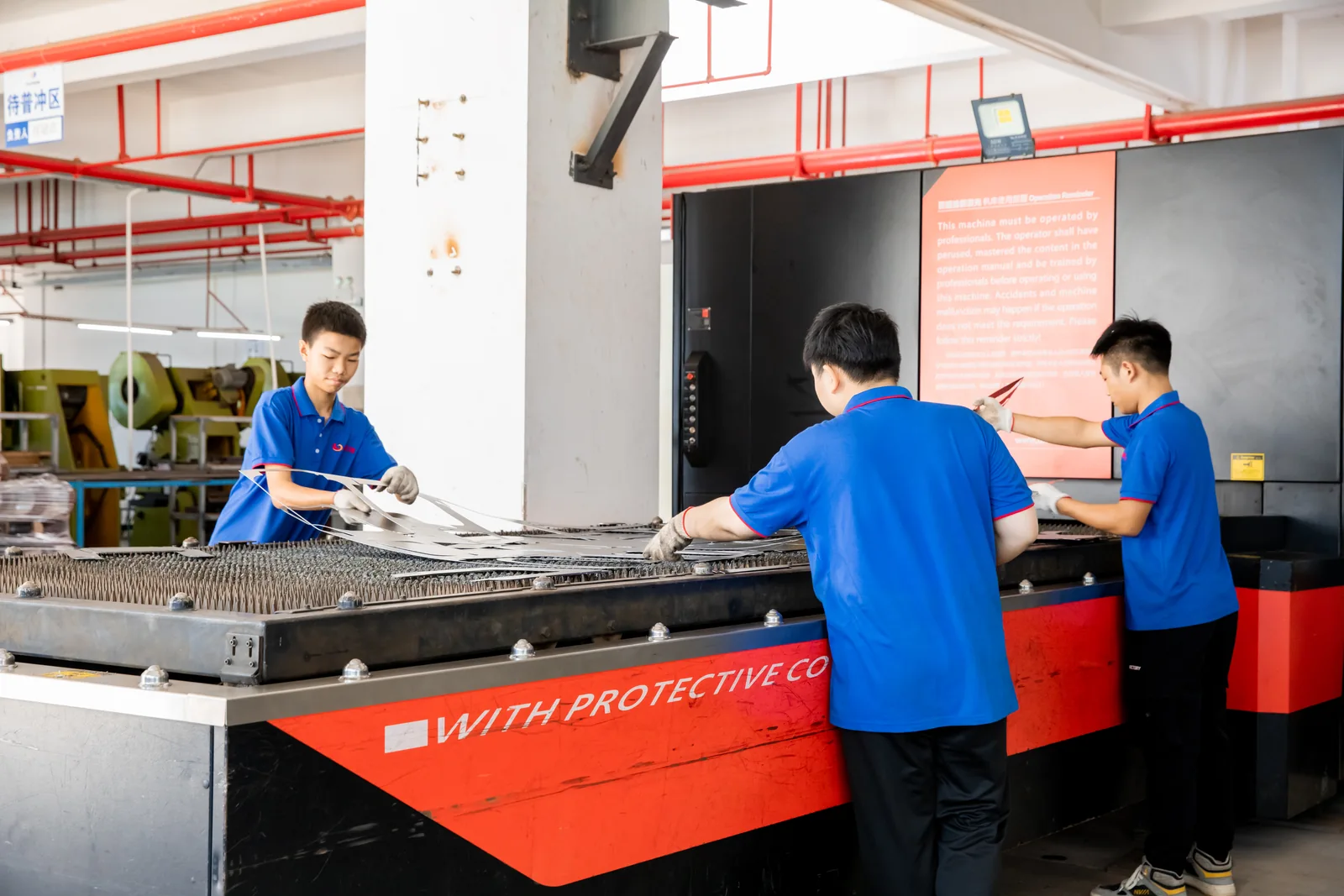
Sheet-metal operators working beside the laser cutting equipment

Cutting & forming

Cut the outline, create the holes and form the sheet. Punching, clinching and stud fastening provide the features needed for subsequent assembly.

Laser equipment power
3000 / 20000 W
Maximum stated bending length
3.2 m
Bending equipment rating
100 t
Explore processes
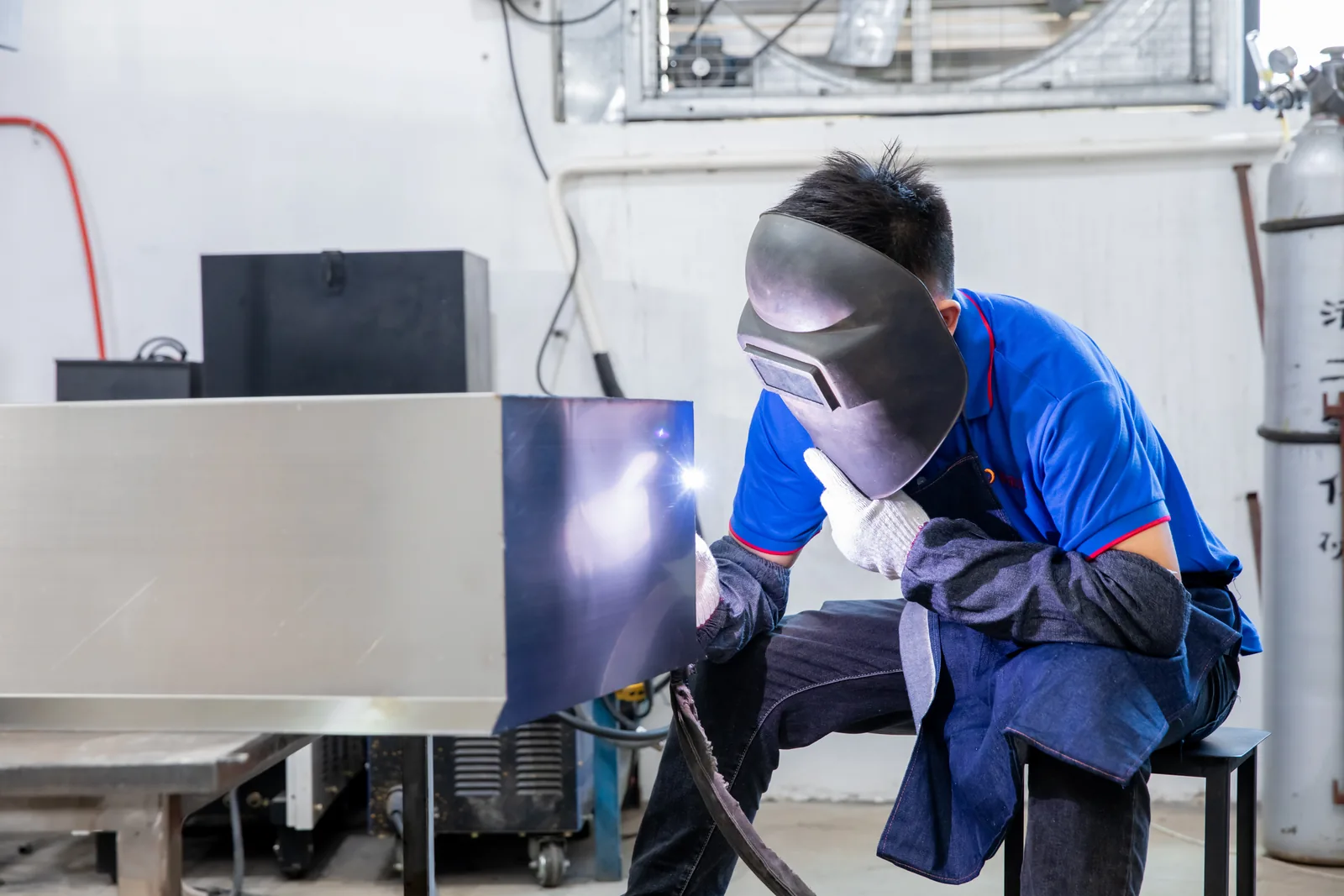
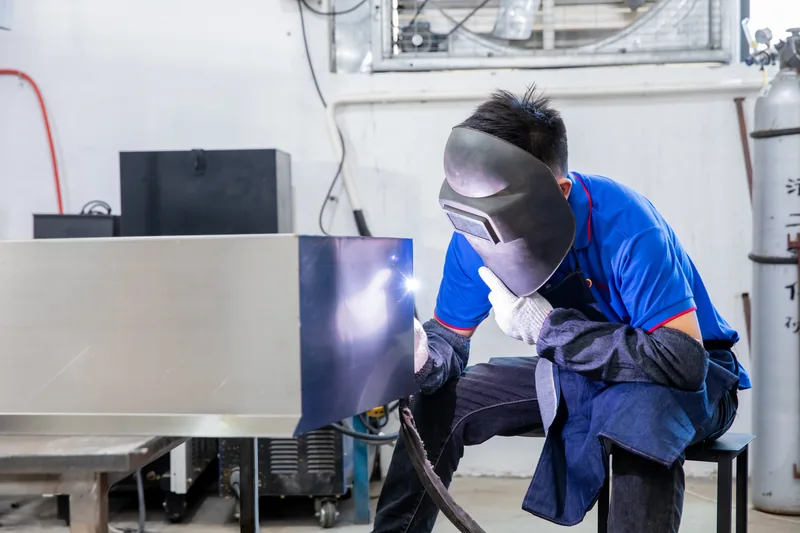
An operator wearing a protective mask while welding a metal enclosure

Joining & inspection

Select the welding process for the material and joint, finish the seams and surfaces, then check the appearance and critical dimensions against the agreed requirements.

Explore processes
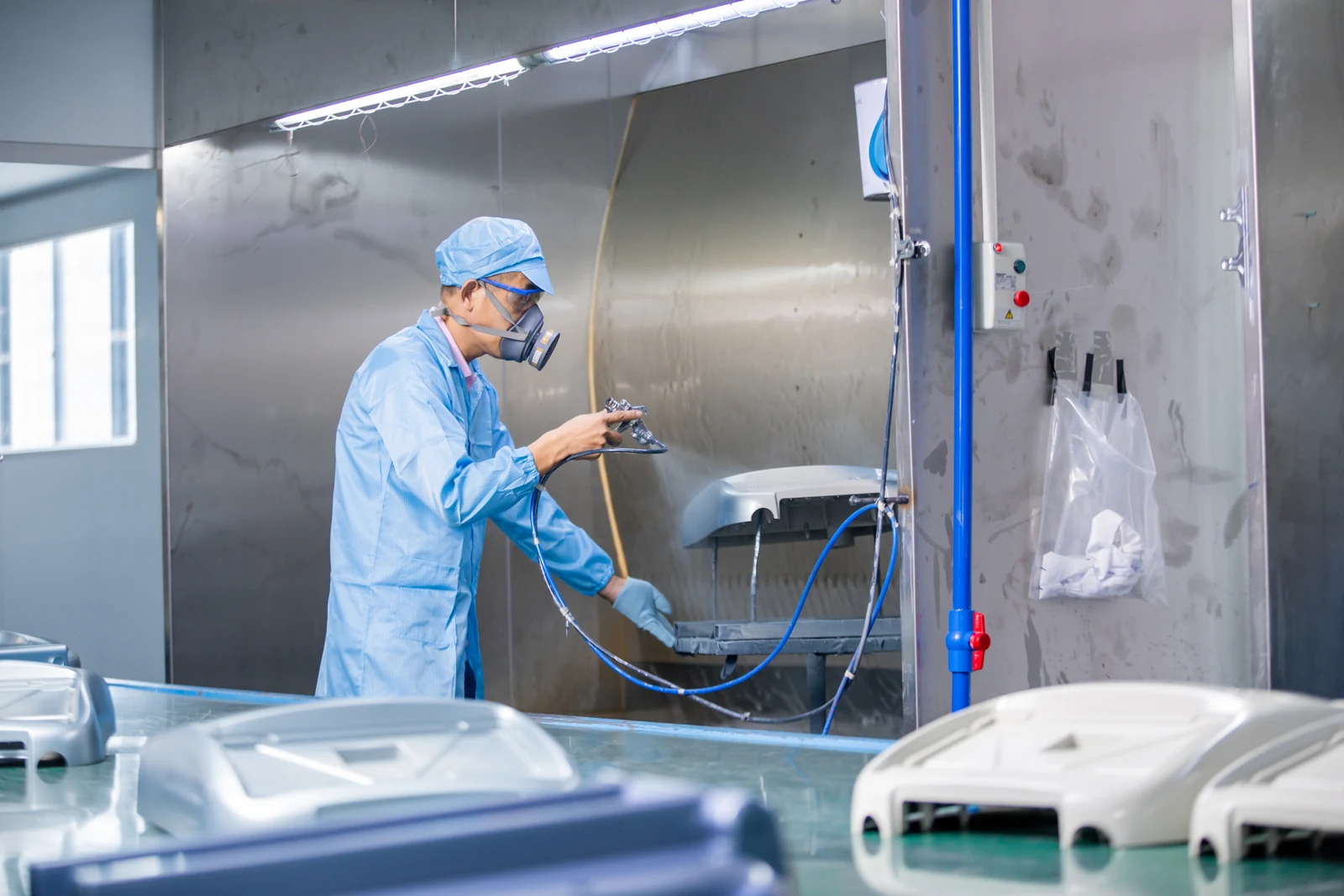
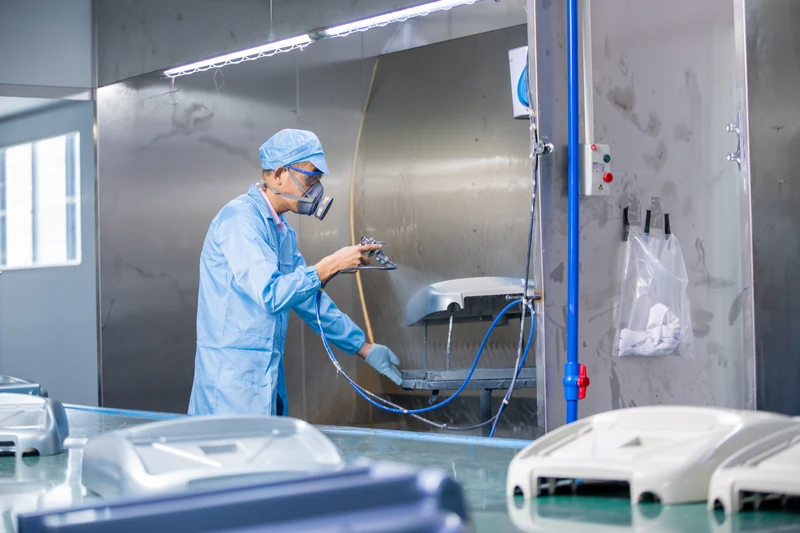
An operator using a hand-held spray gun to paint a housing in the spray booth

Painting

Consider appearance and protection together. The painting system is selected around the substrate, colour reference, surface texture and intended environment.

Explore processes
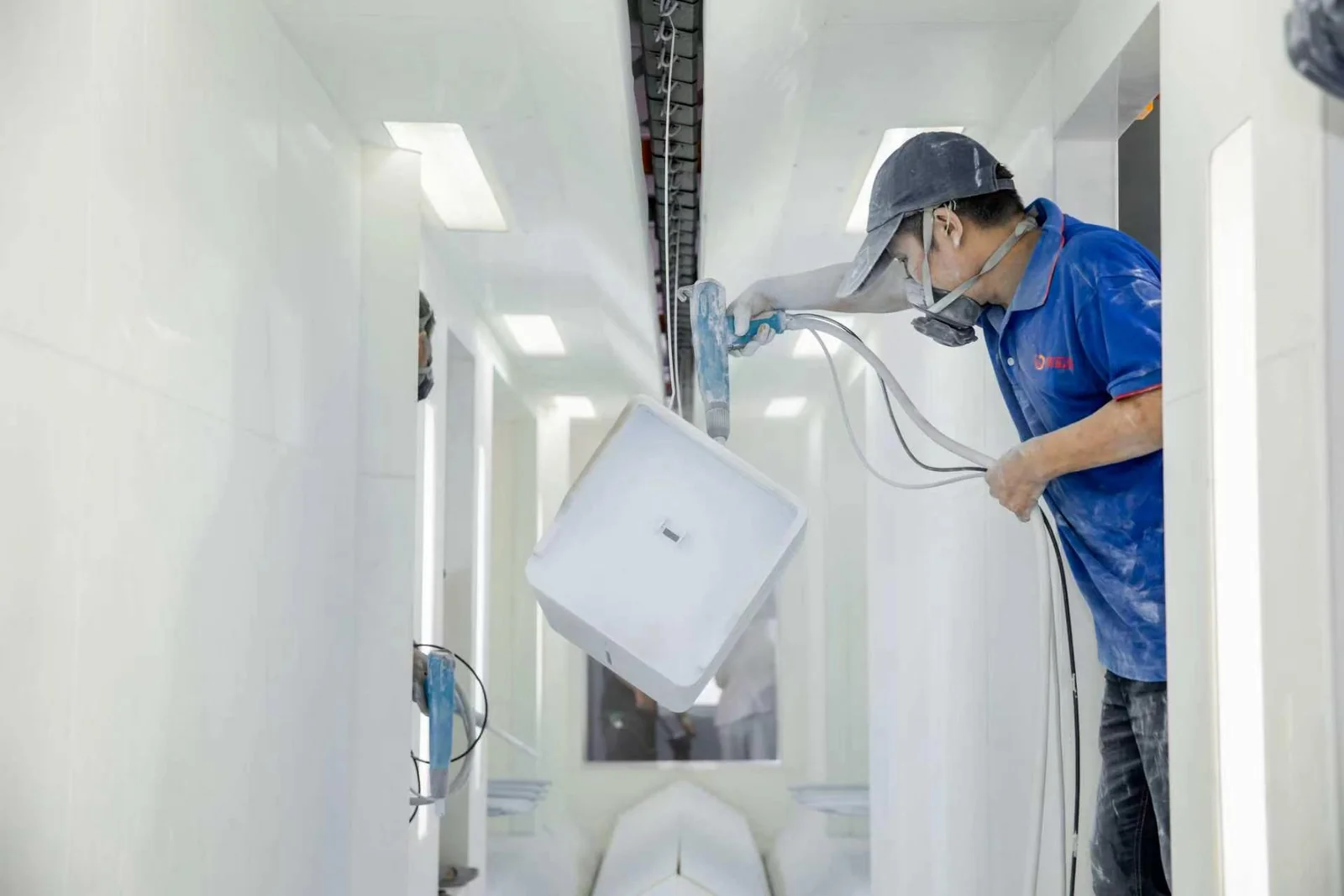
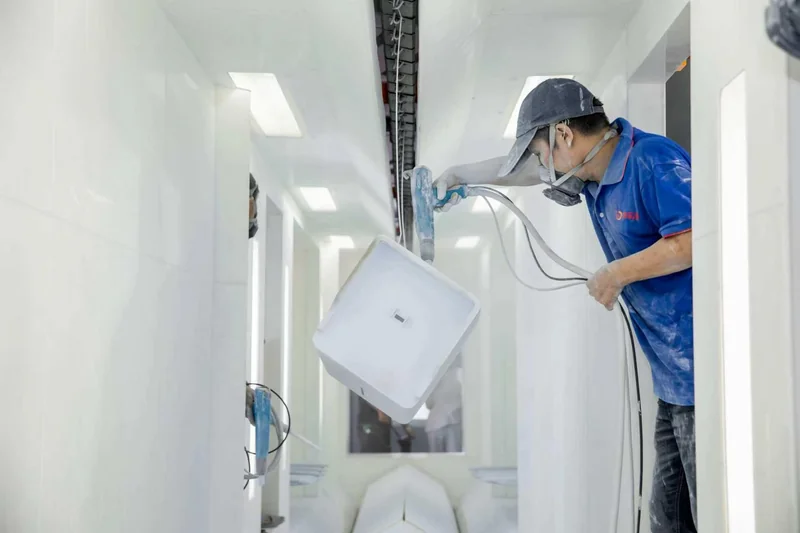
An operator spraying a suspended metal part inside the coating booth

Coating & preparation

Connect phosphating pretreatment, immersion cleaning, electrostatic powder application and heat curing to finish the metal part.

Powder-coating thickness
60–120 μm
Neutral salt spray (NSS)
400 h+
Direct and reverse impact
50 kg·cm
Explore processes

Sheet metal processes

All processes
Operators preparing sheet material beside the laser cutting equipment

Laser cutting

Cut sheet outlines and holes to the drawing.

Translate the developed outline, openings and details of a part into sheet material. Equipment is selected for the material, thickness and requirements, preparing the blank for forming, joining and finishing.

High-power laser cutting equipment
20000 W
Laser cutting equipment
3000 W
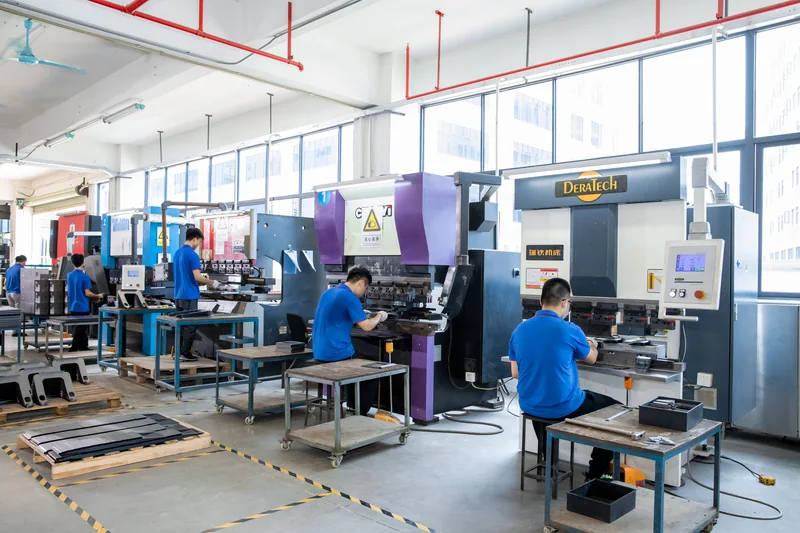
Bending equipment and operators in the sheet-metal workshop

CNC bending

Form sheet parts to the required dimensions and geometry.

Plan the bends, forming sequence and critical dimensions around the assembly of equipment housings, cabinets and brackets. Flat blanks become the three-dimensional structures required by the product.

Maximum stated bending length
3.2 m
Equipment rating
100 t
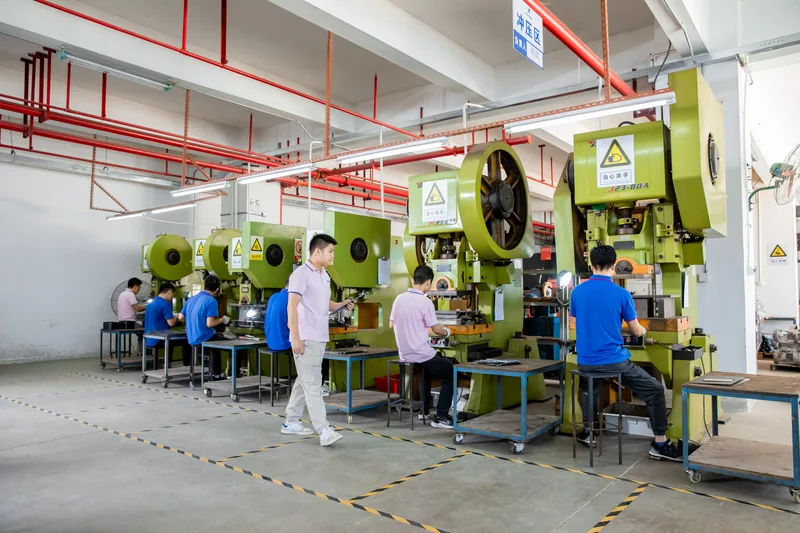
Operators working along a row of punching equipment

CNC punching

Produce holes, shaped openings and ventilation louvres.

Use CNC punching to produce openings and local formed features in sheet parts. Hole layouts, ventilation and joining requirements are considered together before bending and assembly.

Features
Holes / shaped openings / ventilation louvres
Equipment
CNC punching machine
Equipment in Jinghongjian’s sheet-metal workshop

Drilling

Produce locating holes, clearance holes and countersinks.

Review hole positions and mating requirements for locating and fastening the part. Countersinks and threaded interfaces are checked individually against the drawing.

Hole features
Locating holes / clearance holes / countersinks
Common thread sizes
M2–M12
Sheet-metal manufacturing equipment and the production environment

Riveting & stud fastening

Create threaded fastening points in sheet material.

Fit nuts, studs and fastening points to sheet-metal parts, matching the material, thickness, position and assembly requirements.

Common thread sizes
M2–M12
Fasteners
Nuts / studs
An operator welding a metal enclosure with protective equipment

Welding

Join metal parts according to material, structure and appearance.

Select the welding method around the intended use of the part. Agree joint locations, finished dimensions and seam appearance to connect panels into enclosures, frames and other structures.

Automated process
Robotic welding
Welding process
CO₂ gas-shielded welding
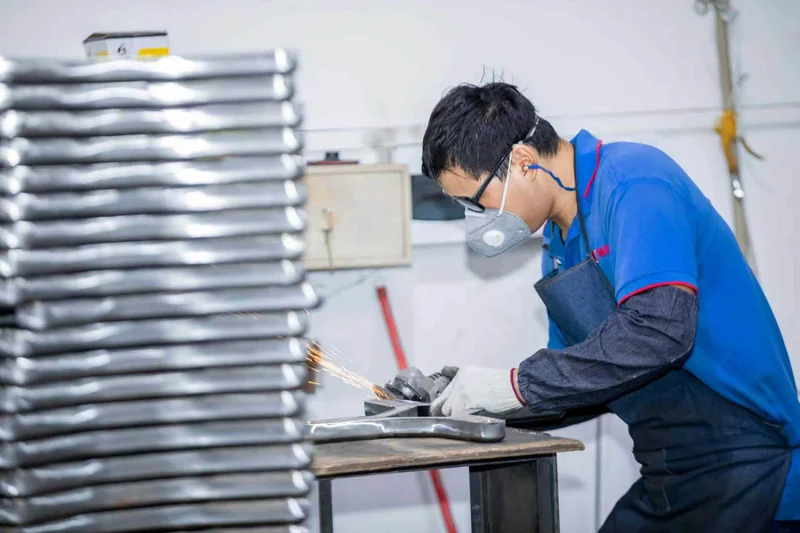
An operator grinding a metal component

Grinding & polishing

Refine welds, remove burrs and develop the surface texture.

Plan weld-seam finishing, polishing or brushed finishing to suit appearance and subsequent coating. Visible surfaces, edges and joints are treated according to the agreed product finish.

Finishing methods
Polishing / brushed finishing
Finishing method
Weld-seam refinement
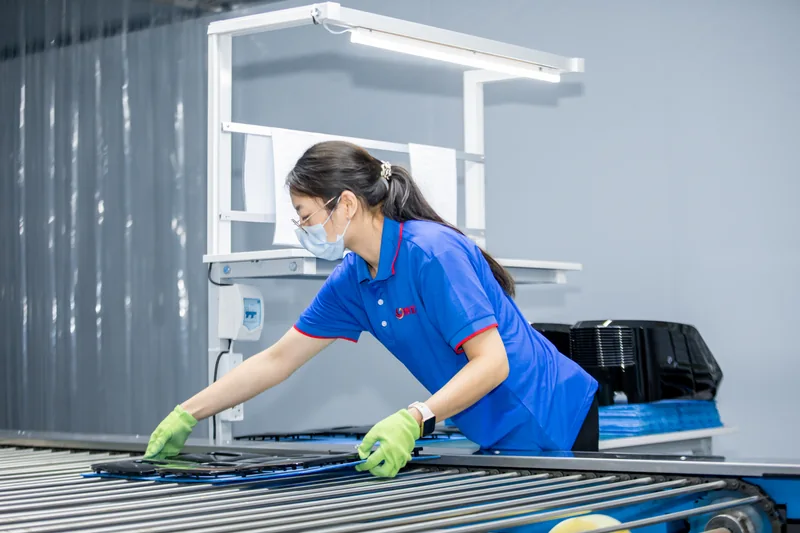
Operators handling panels on the company’s production line

Inspection

Check appearance and critical dimensions against the drawing.

Include visible surfaces, critical dimensions and assembly requirements in the inspection scope. Agree the points to check before production and review parts against those requirements before delivery.

Inspection focus
Critical dimensions
Inspection focus
Finished appearance
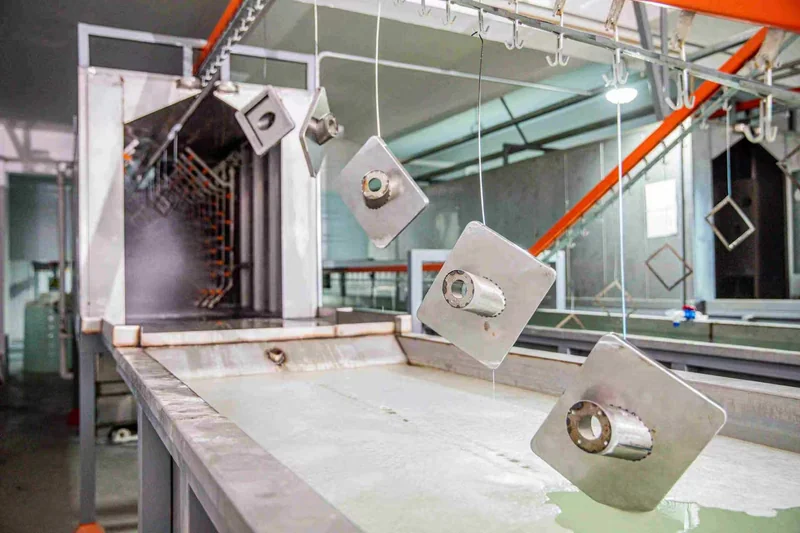
Metal parts suspended above tanks on the surface-treatment line

Phosphating pretreatment

Prepare the substrate by removing contamination and applying phosphating treatment.

Select pretreatment for the workpiece and coating system. Remove oil, rust and processing residue, then prepare the metal surface by phosphating before subsequent coating.

Purpose
Surface cleaning / phosphating
Following operations
Rinsing and coating
Suspended metal parts on the company’s surface-treatment line

Immersion cleaning

Remove residual treatment solution and fine particles by immersion cleaning.

Clean metal parts between pretreatment and subsequent coating. Immersion cleaning removes residual treatment solution and small contaminants before the next operation.

Method
Immersion cleaning
Cleaning targets
Residual solution / fine particles
An operator using a hand-held spray gun to paint a housing in the spray booth

Painting

Finish metal parts to an agreed colour and texture.

Discuss appearance and protection together. Colour, texture and coating requirements are selected for the metal substrate and operating environment to match the product design.

Appearance
Colour / surface texture
Performance
Confirmed for the substrate and environment
An operator spraying a suspended metal part inside the coating booth

Powder coating

Apply powder electrostatically and cure it into a surface coating.

Follow pretreatment and cleaning with powder application and heat curing. Select the coating system for the substrate, appearance and operating requirements of the metal part.

Coating thickness
60–120 μm
Neutral salt spray (NSS)
More than 400 hours
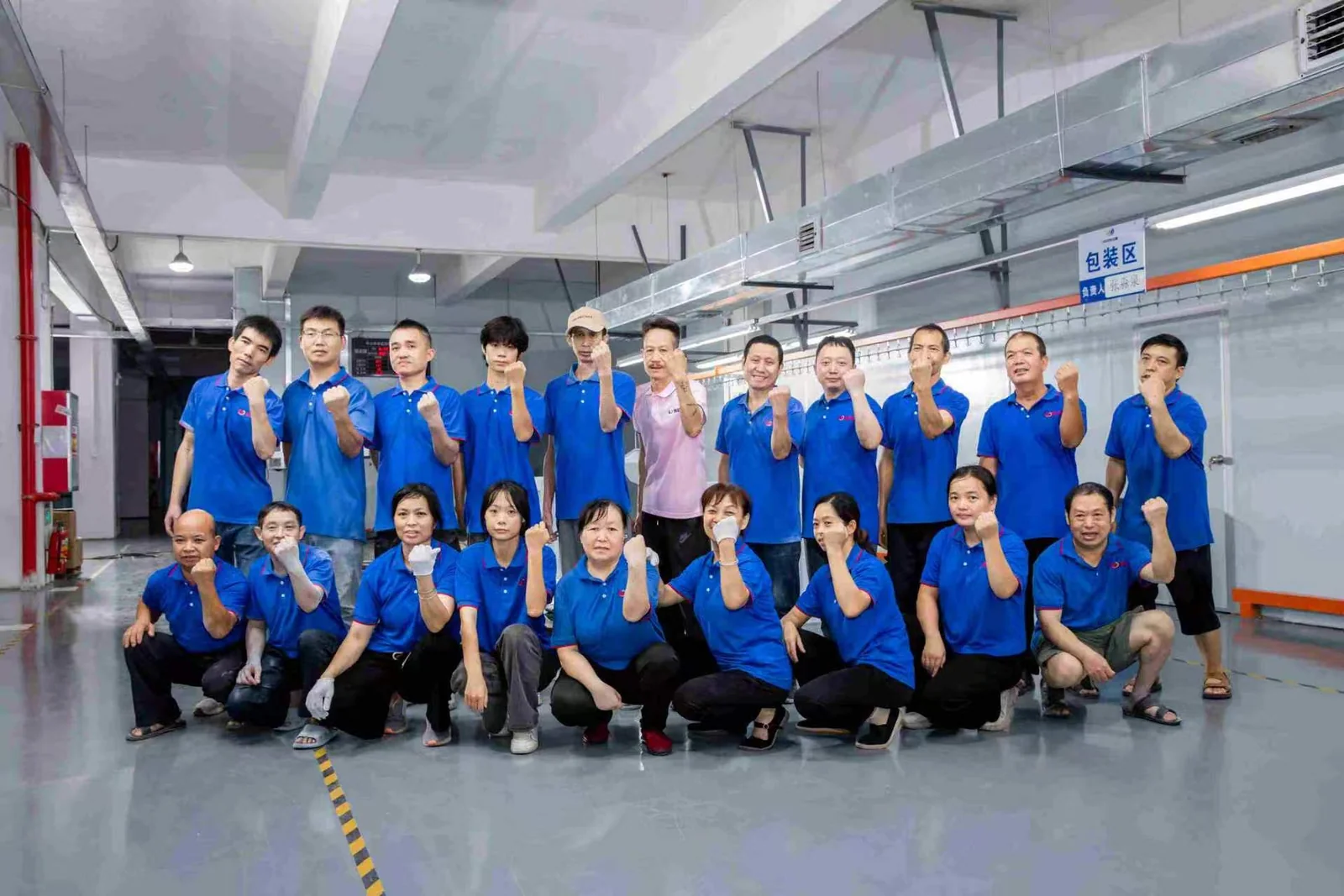
Jinghongjian team in the manufacturing workshop

About Jinghongjian

Based in Conghua, Guangzhou, we bring together sheet-metal cutting, forming, joining, inspection and surface finishing for equipment enclosures, cabinets and structural parts.

50,000㎡Company factory floor area
~400peopleCompany team size
20yearsManufacturing experience
8companiesGroup high-tech enterprises